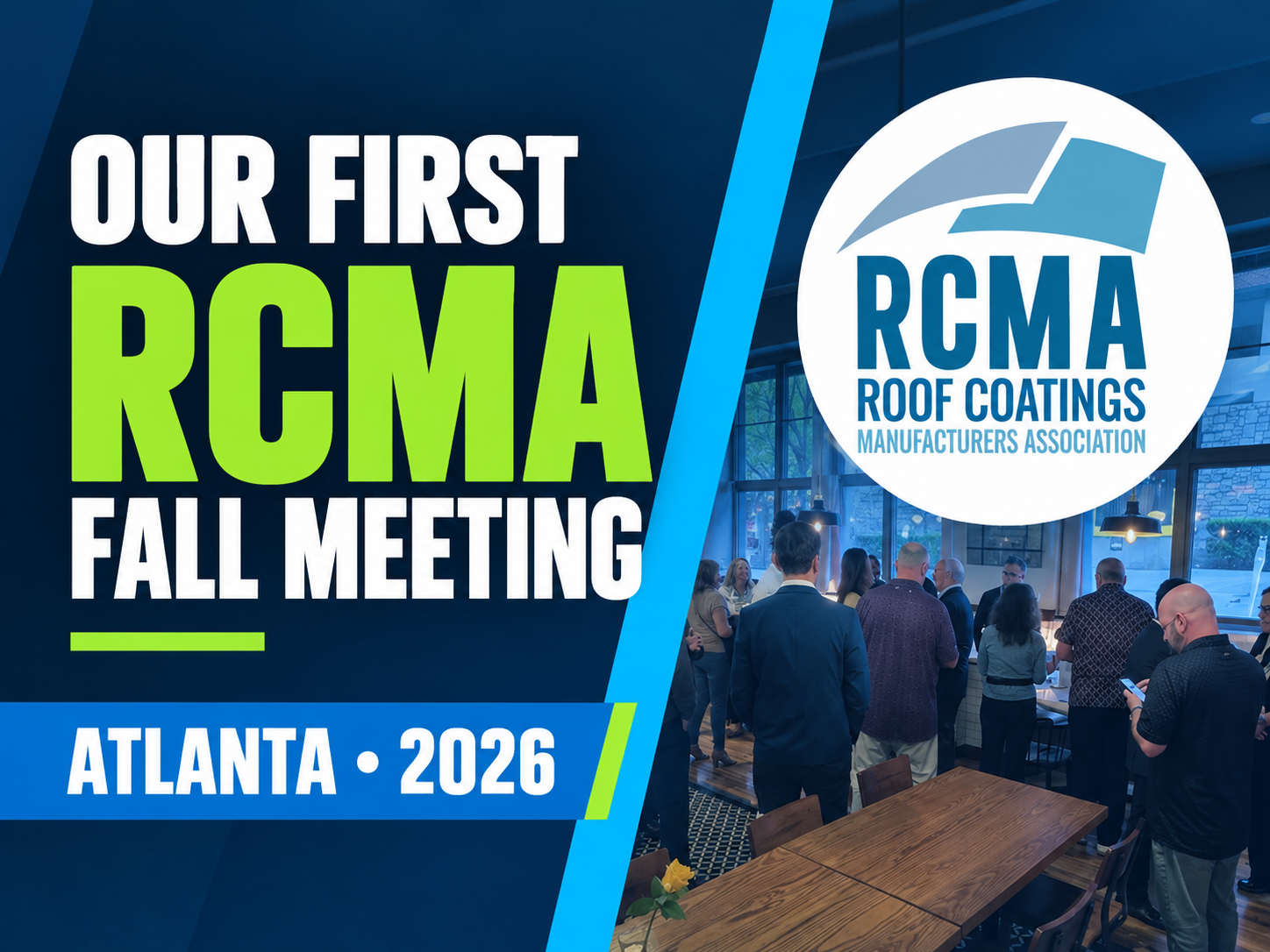
We recently attended the 2026 Roof Coatings Manufacturers Association (RCMA) Fall Meeting in Atlanta. It was our first RCMA event, and we sponsored the welcome bags through 360 Commercial Roofing, which brings together our work in contractor support, marketing, and technology. We had a chance to talk with many of the people who develop, test, and support the roof coating products our industry depends on.
We captured footage throughout the trip and had those clips edited into the short recap below.
Through Quantum Roof Tech, we have been developing several digital tools. The one I'm most excited about is a phone number contractors can save and call or text for quick answers about coverage rates, prep steps, how many buckets of coating to order, or which primer to use on a particular substrate. We are also developing photo analysis so contractors can text a photo along with their question.
A saved phone number makes sense when someone needs an answer on a roof. Finding a particular portal can mean digging through old emails for the right link. We have plenty of ideas for making information easier to use, and RCMA was a good place to discuss them with the people creating that information and supporting the contractors who need it.
An invitation in the welcome bags
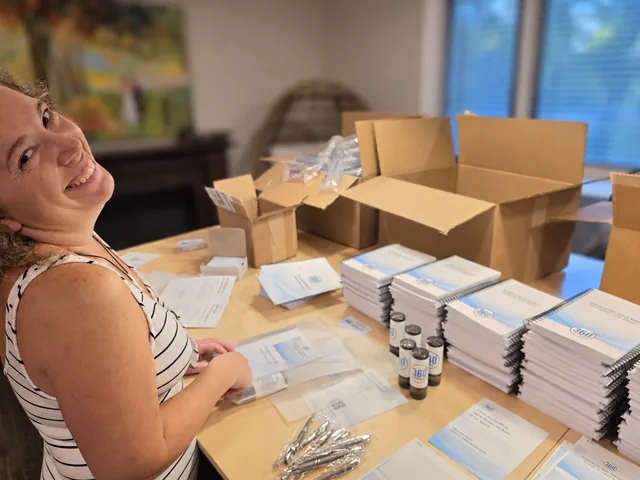
For the welcome bags, we created our own AI idea partner for the meeting. Attendees could scan a QR code to explore a session topic, bring up a business challenge, or work through an idea for their team or customers. We also included a way to learn about our work and contact us directly.
Someone could leave a presentation with a useful idea and start exploring how it might apply to their business while it was still fresh. That was the experience we wanted to offer. The conversations around the bags also helped us understand where manufacturers could use additional help with technical support, training, and communication with contractors.
Understand the owner's decision
Gabriel Eckert of BOMA Georgia gave a presentation that was especially relevant to the sales and marketing work we do with contractors. He explained how an owner's investment plans, the tenants in a building, and the disruption a project could cause all affect a roofing decision.
An owner preparing to sell a building soon may have different roofing priorities than someone who plans to own it for another twenty years. A medical building may have different concerns about disruption than an office building. Even within the same company, an engineer, property manager, and owner may need different information before they can support a recommendation.
That gives contractors something specific to work on. Ask about the building's plans and the people involved in approving the project. Explain the options in terms of initial cost, future maintenance, and the effect on occupants. A technically sound recommendation has a better chance of being understood when it addresses the questions the buyer actually needs answered.
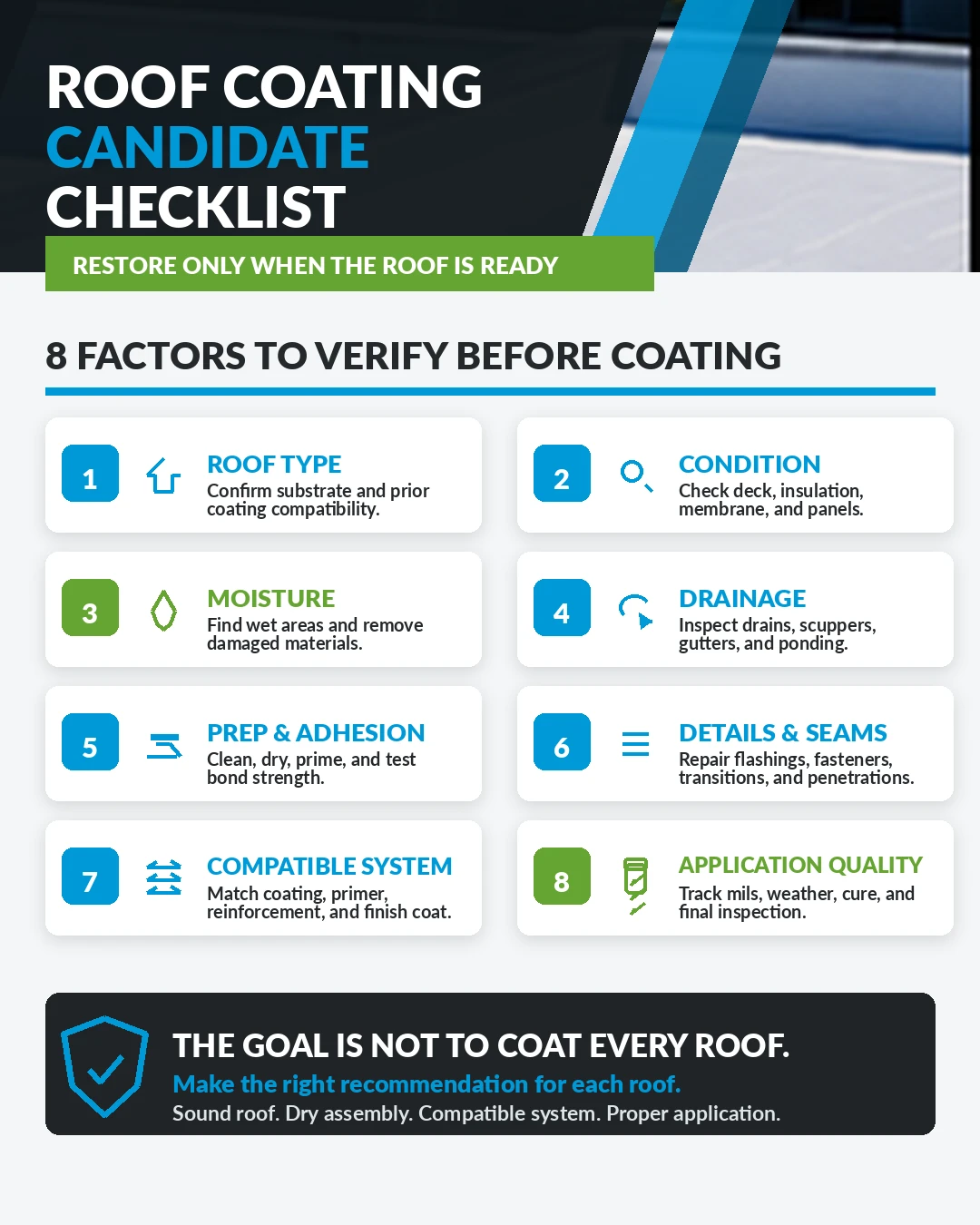
Check the roof before recommending a coating
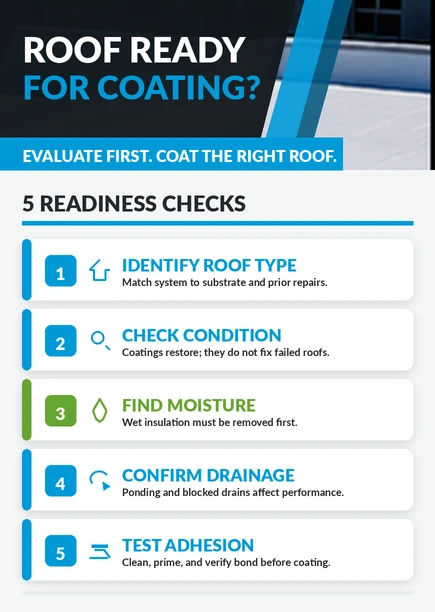
Several presentations addressed the work needed before a contractor can recommend restoration. Josh Barker of Drone Institute explained how thermal drone images can help identify areas that need investigation. Those images show temperature patterns, and an inspector still has to establish what is causing them. Roof construction, weather, and heat from rooftop equipment can affect the results.
John T. Hull of Gulf Coast Infrared discussed evaluating the full roof assembly before deciding to maintain, restore, recover, or replace it. Adam Capps of Roof MRI and ReDry covered moisture assessment before bidding and the conditions that determine whether drying a roof in place is suitable.
For a contractor preparing a proposal, that investigation helps define the scope and explain the price. Photos, test results, and a clear account of what was found give an owner a basis for understanding why some areas can be restored and others need repairs or replacement.
Support the work in the field
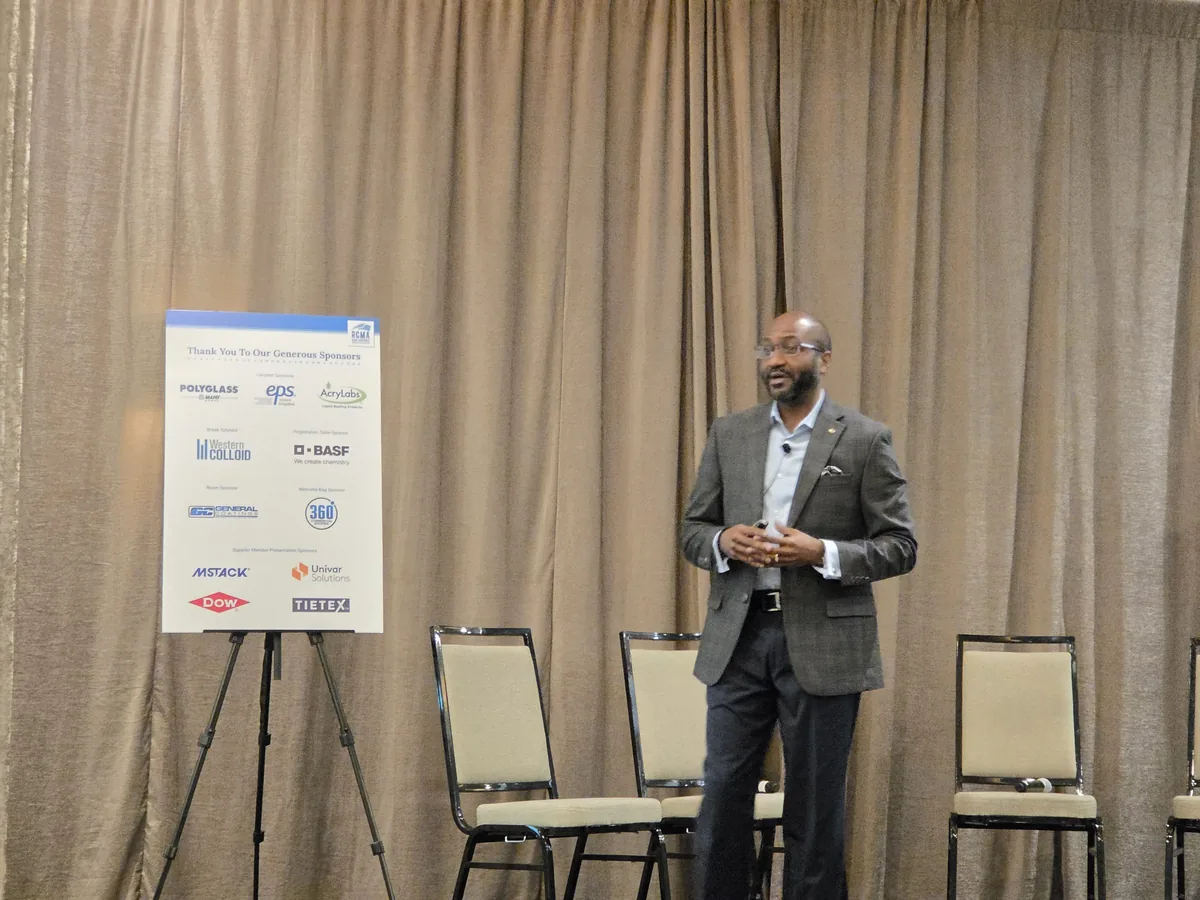
Dwayne Sloan of UL Solutions covered roof fire exposure, testing, and questions involving solar equipment and the roof beneath it. In the contractor panel moderated by Megan Ellsworth, the discussion included manufacturer field support, training, and clear warranty guidance.
These are subjects contractors deal with when they choose a system, train a crew, or explain a warranty to an owner. Having access to the people who understand the testing and application requirements makes those conversations easier. I appreciated the opportunity to meet some of those people and learn more about the work behind their technical guidance.
Thank you, RCMA
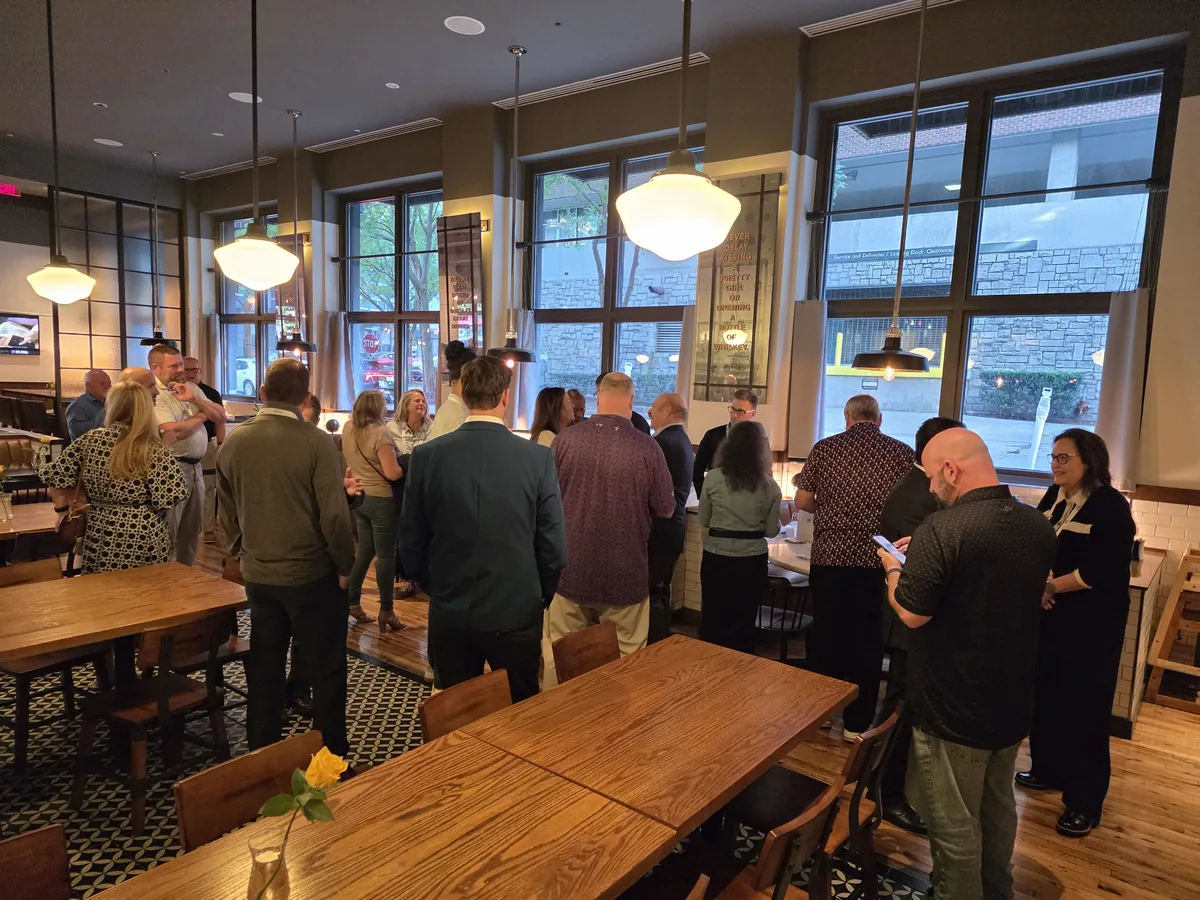
RCMA's committee work includes technical research, educational resources, codes and standards, and advocacy on regulatory issues. Hearing the updates gave us a better understanding of the time its staff and volunteers put into work that affects the industry throughout the year.
Jayne Rollason of Polyglass also shared plans for International Roof Coatings Day on July 7, 2027, with the theme “Extend Life and Reduce Waste.” It is an opportunity for the industry to help more building owners understand when coatings can extend the useful life of a roof.
Thank you to RCMA's staff, volunteer leaders, and presenters for putting the meeting together and sharing their knowledge. We were glad to support it through the welcome bags and appreciated everyone who took time to talk with us, whether at breakfast, between sessions, or during the evening at the World of Coca-Cola. You made our first RCMA meeting unforgettable.

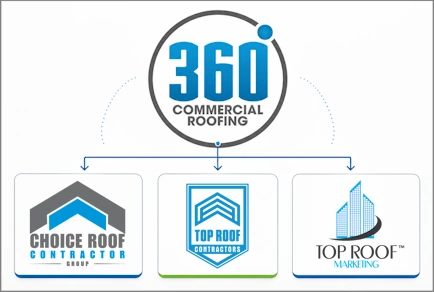 If you have followed Choice Roof Contractor Group for any length of time, you have probably seen pieces of a much larger story.
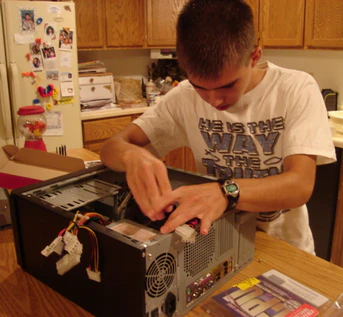 I started a small computer business when I was about 12 years old.
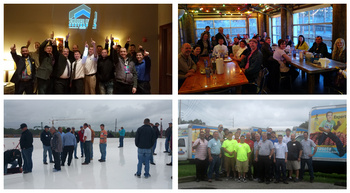 That early experience also showed me how valuable the right group of people can be.
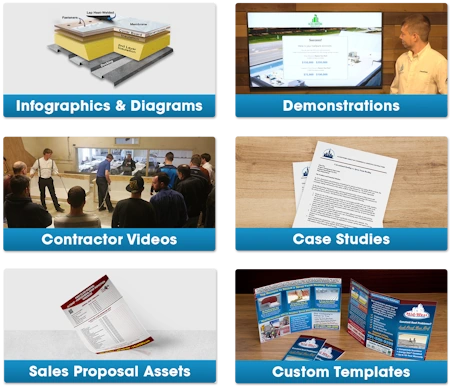 360 Commercial Roofing gives us a broader way to support contractor needs that extend beyond traditional marketing or networking.
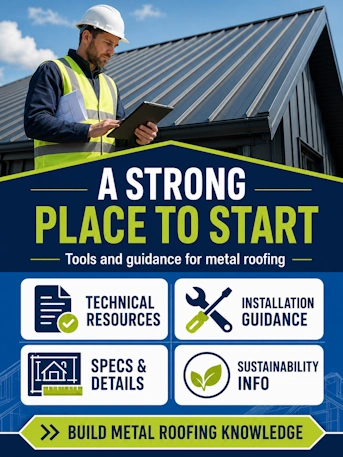 The Metal Construction Association, often referred to as MCA, is a trade organization that represents manufacturers, suppliers, panel fabricators, steel mills, paint companies, and other companies involved in the architectural metal roofing and wall industry.
 For commercial roofing contractors, metal roofing can provide several business advantages.
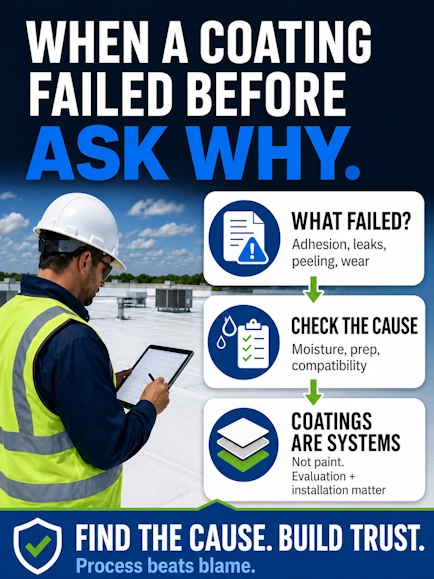 Few objections carry more weight than a bad prior experience. Contractors should never dismiss or downplay this concern. Instead, they should seek context.

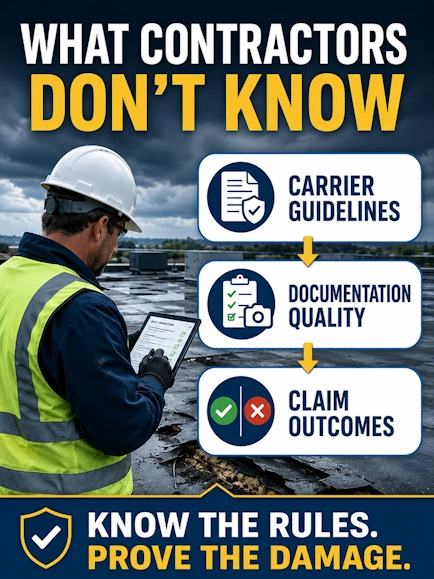 Ray spent years on the other side of the table. Starting as an independent adjuster in 2008, he worked his way up through senior file examiner and management roles at six major firms, gaining firsthand knowledge of exactly how carriers evaluate, approve, and deny claims.
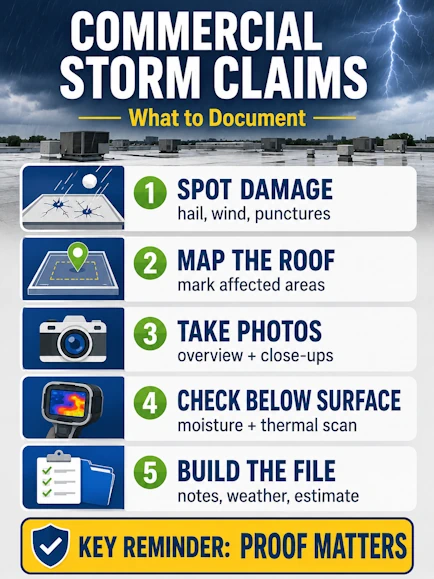 One of the most important mindset shifts Ray coaches contractors through is how to respond when an insurance company says no. For many contractors, a denial feels final. For MAX4 Claims, it’s the starting point.
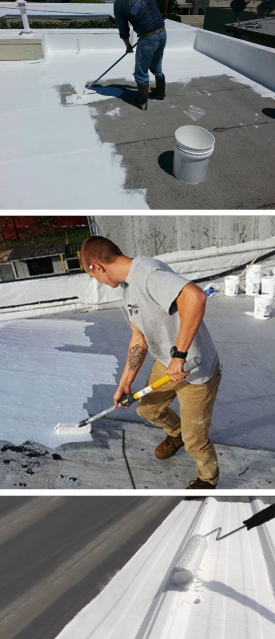
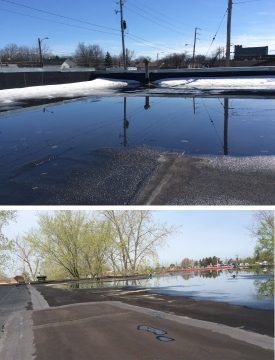 One of silicone’s main selling points is its ability to withstand ponding water without breaking down. While that’s true, it doesn’t solve drainage or slope issues.
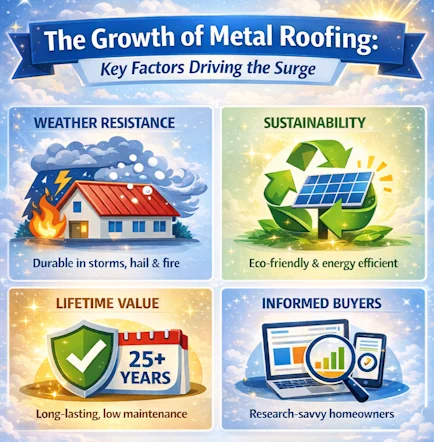 Over the past 25 years, metal roofing has experienced steady and substantial growth. In the late 1990s, metal roofs accounted for only about 3% of the residential roofing market. Today, that number has climbed to nearly 18%, signaling a major shift in both awareness and demand.
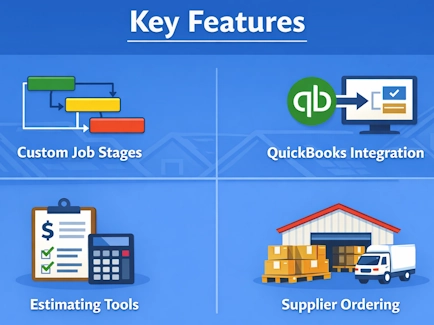 Many generic CRM platforms try to serve dozens of industries at once. While they may function adequately, they often lack the specialized tools roofing contractors need.